


|

|
Zero Calories, Not Zero Questions: What the Science Says About Artificial Sweeteners
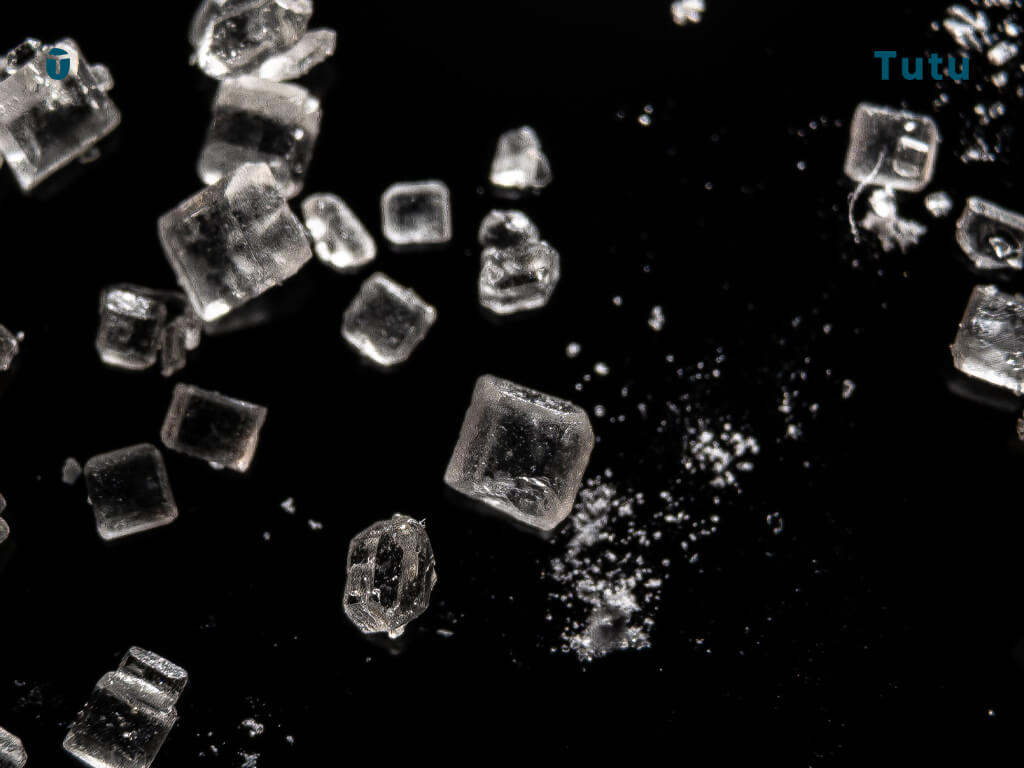
Photo by Washington Gama
For decades, sweeteners were sold as the perfect deal: all the sweetness, none of the cost. Recent research has made the picture more complicated. Here is what the studies actually found — and what they did not.
Approved sweeteners, used within official limits, have not been proven to be dangerous, and food safety regulators still consider them safe at normal intake. But the old belief that they pass through the body as if they were not there is gone. Major studies have linked them to changes in gut bacteria and blood sugar response, and to higher rates of some diseases. And in 2023, the World Health Organization advised against using them as a tool for weight control.
That is the summary. Now the details, in plain language.
Two ideas will help you make sense of the headlines.
Hazard vs. risk. A hazard is something that could cause harm under some conditions. Risk is how likely that harm is at the amount you actually consume. Sunlight is a hazard; ten minutes of morning sun is low risk. Many sweetener headlines are about hazard, not risk.
Association vs. cause. Many big studies are "observational": they follow thousands of people and look for patterns. They can show that two things happen together, but not always that one causes the other. People who drink a lot of diet soda, for example, may already have health issues that led them to choose diet soda in the first place.
Acceptable Daily Intake (ADI). This is the amount, per kilogram of body weight, that regulators consider safe to consume every day for a lifetime. It already includes a large safety margin.
• Fewer calories in the short term. Replacing sugar with sweeteners cuts calories. Some short studies, under three months, did show weight loss — though it was not sustained over the long term.
• A tool for people with diabetes. For people with diabetes, sweeteners can be a useful tool, which is why the WHO excluded people with pre-existing diabetes from its 2023 recommendation.
• Kinder to teeth than sugar. Sweeteners do not feed the bacteria that cause tooth decay.
• Large safety margins at normal intake. Every approved sweetener has an ADI set after safety review. For aspartame, the ADI is 40 mg per kg of body weight. According to the WHO, an adult weighing 70 kg would need to drink more than 9 to 14 cans of diet soda a day to exceed it, assuming no other sources.
Some nutrition bodies, such as the British Nutrition Foundation, have argued that because the evidence is uncertain, sweeteners should remain one of the tools available for cutting sugar.
In May 2023, the WHO published a guideline on non-sugar sweeteners — a group that includes both artificial sweeteners and stevia. It was based on a systematic review of the available research. The review found that using sweeteners does not lead to long-term loss of body fat in adults or children. It also suggested possible undesirable effects from long-term use, including a higher risk of type 2 diabetes, cardiovascular disease, and death in adults.
The WHO's advice was to reduce sweetness in the diet overall, starting early in life, rather than swapping sugar for sweeteners.
What it does not say: The recommendation is "conditional," and the WHO rated the evidence as low certainty, because the links seen in studies might be influenced by participants' existing health and habits. It does not apply to people with diabetes or to sugar alcohols.
In July 2023, the WHO's cancer agency, IARC, classified aspartame as "possibly carcinogenic to humans" (Group 2B), citing limited evidence — specifically for a type of liver cancer. At the same time, the WHO and FAO expert committee on food additives, JECFA, reviewed the same question and kept the ADI unchanged at 40 mg/kg of body weight.
What it does not say: Group 2B describes the strength of evidence that something could cause cancer (a hazard). It does not measure how likely it is at the amount you consume (the risk). Both bodies said more and better research is needed.
Researchers in France followed 102,865 adults for a median of 7.8 years, tracking exactly which sweeteners they consumed from food diaries. People with higher intake of artificial sweeteners had a 13% higher risk of cancer overall compared with non-consumers, with aspartame and acesulfame-K standing out. A second analysis of the same group, published in the BMJ, linked higher sweetener intake to a higher risk of cardiovascular disease, especially stroke-related conditions.
What it does not say: These are observational findings. They show an association, not proof of cause. The participants were also mostly women with higher-than-average education, so the results may not apply equally to everyone. The authors themselves called for confirmation in other large studies.
A randomized controlled trial published in the journal Cell gave 120 healthy adults sachets of saccharin, sucralose, aspartame, or stevia for two weeks, at doses below the ADI. Every sweetener changed the participants' gut and mouth bacteria in its own way. Saccharin and sucralose also made the body handle glucose less effectively. When researchers transferred gut bacteria from the strongest responders into germ-free mice, the mice developed similar blood sugar changes — suggesting the bacteria were part of the cause.
What it does not say: The study was short and small, and the effects varied a lot from person to person. Its main message is that sweeteners are not inert. The long-term health impact of these changes is still unknown.
Erythritol is a sugar alcohol, not a high-intensity sweetener, but it is often the bulk ingredient in "natural" stevia and monk fruit blends. A study in Nature Medicine looked at about 4,000 people in the United States and Europe. Those with the highest blood levels of erythritol had roughly twice the risk of heart attack, stroke, or death over three years compared with those with the lowest levels. In lab tests, erythritol made blood platelets clot more easily. In a small test with eight healthy volunteers, a drink containing 30 grams of erythritol kept blood levels raised for more than two days.
What it does not say: Most participants were already being evaluated for heart problems, so the results cannot simply be applied to the general population. The authors called for long-term safety studies.
Researchers at North Carolina State University studied sucralose-6-acetate, a compound that forms during sucralose production and can also be produced in the gut after sucralose is consumed. Commercial sucralose samples contained up to 0.67% of it. In lab tests, it damaged DNA in human cells, and both it and sucralose made gut tissue more "leaky."
What it does not say: These were laboratory experiments on cells and tissue, not studies of people's health over time. They raise questions that need follow-up, not final answers.
Here is a fair reading of all of the above.
No major food authority has banned the approved sweeteners, and at normal intake they remain within official safety limits. At the same time, the idea that they are a free pass — sweetness with no effect on the body — no longer holds up. They interact with our gut bacteria. They do not appear to help with long-term weight control. And several large studies have found associations with disease that scientists are still working to understand.
The most practical advice comes straight from the WHO: the goal is not to find a better substitute for sugar, but to get used to less sweetness overall. And whatever you choose, you deserve to know exactly what is in your glass. That is why reading the full ingredient list matters more than any word on the front of a package.
If you have diabetes or another health condition, talk to your doctor about what is right for you. Sweeteners can be a valid tool, and this article is not medical advice.
"The goal is not a better substitute for sugar. It is a palate that needs less sweetness — and an honest label on every bottle."
Every Tutu product that needs sweetening — our syrups and flavors, Tutu Concentrates, and Tutu Mylk — is sweetened with cane sugar: regular gula kristal putih, not industrial-grade gula rafinasi. There are no artificial sweeteners in any of them.
We made that choice for three reasons.
What you taste is what's in the bottle. No hidden blends, no surprise sweeteners. The label tells the full story, and we want it that way.
Sugar does real work in a drink. As we explained in Article 1, sugar gives body, carries flavor, and balances acidity and bitterness. It also has no metallic aftertaste to fight against the delicate notes of a good coffee or tea. For a barista or bartender, it behaves the same way every time — it is the benchmark every other sweetener is measured against.
You stay in control of the sweetness. Tutu products are made to be measured and dosed by the person building the drink. That means you decide how sweet a drink should be — and you can always make it less sweet.
We also want to be honest: sugar is still sugar. The WHO recommends keeping free sugars below 10% of your daily energy intake, and ideally below 5% — about 25 grams, or six teaspoons, a day for an adult. With BPOM's new Nutri-Level labels arriving on Indonesian beverages, more people are paying attention to how many grams of sugar are in their drink. We think that is a good thing.
So our position is simple: real ingredients, honest labels, and you are in charge of the dose. That is what Flavors for Everyone means to us — including everyone who wants to know exactly what they are drinking.
Are artificial sweeteners safe?
Approved sweeteners are considered safe by food regulators when consumed within their Acceptable Daily Intake. However, research shows they are not inert: they can change gut bacteria, and large studies have linked high intake to higher rates of some diseases. The WHO advises against using them for weight control.
Is aspartame carcinogenic?
In 2023, IARC classified aspartame as "possibly carcinogenic to humans" (Group 2B) based on limited evidence. JECFA reviewed the same data and kept the safe daily limit at 40 mg per kg of body weight.
Do artificial sweeteners help you lose weight?
According to the WHO's 2023 review, they do not lead to long-term loss of body fat in adults or children.
Does Tutu use sugar or artificial sweeteners?
Tutu syrups, Tutu Concentrates, and Tutu Mylk are sweetened with cane sugar (gula kristal putih), with no artificial sweeteners.

|
Message
|
Send
|


